The Disabled Facilities Grant (DFG) is a government-backed, means-tested grant that helps fund essential home adaptations, making it easier to support a disabled family member or empower them to live more independently in a safe, accessible home.(1) These adaptations focus on improving accessibility throughout the property, enhancing day-to-day independence, and future-proofing the home to meet evolving needs over time. Whether it's installing a level-access wetroom, modifying entryways, gardens or creating sensory-friendly spaces, the DFG enables families to build environments that are inclusive, functional, and designed to grow with the individual.
This case features a home adaptation for a child with 4 years old who has a long-term physical condition affecting her gross motor function. The adaptations were designed to support her growth by addressing two key areas:
-
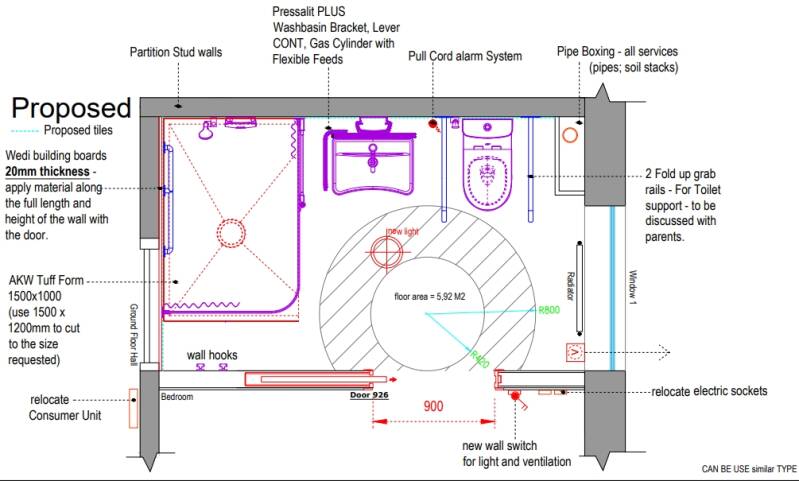
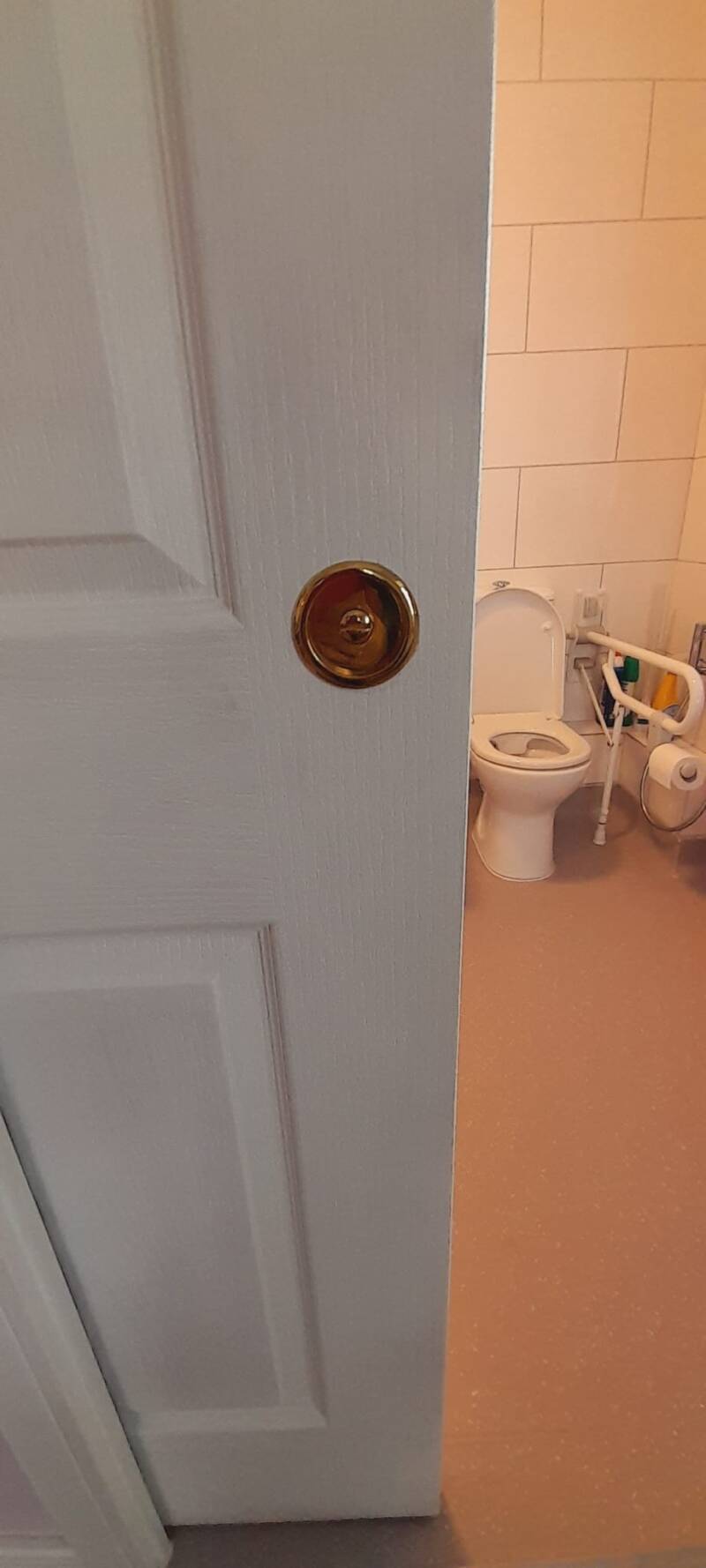
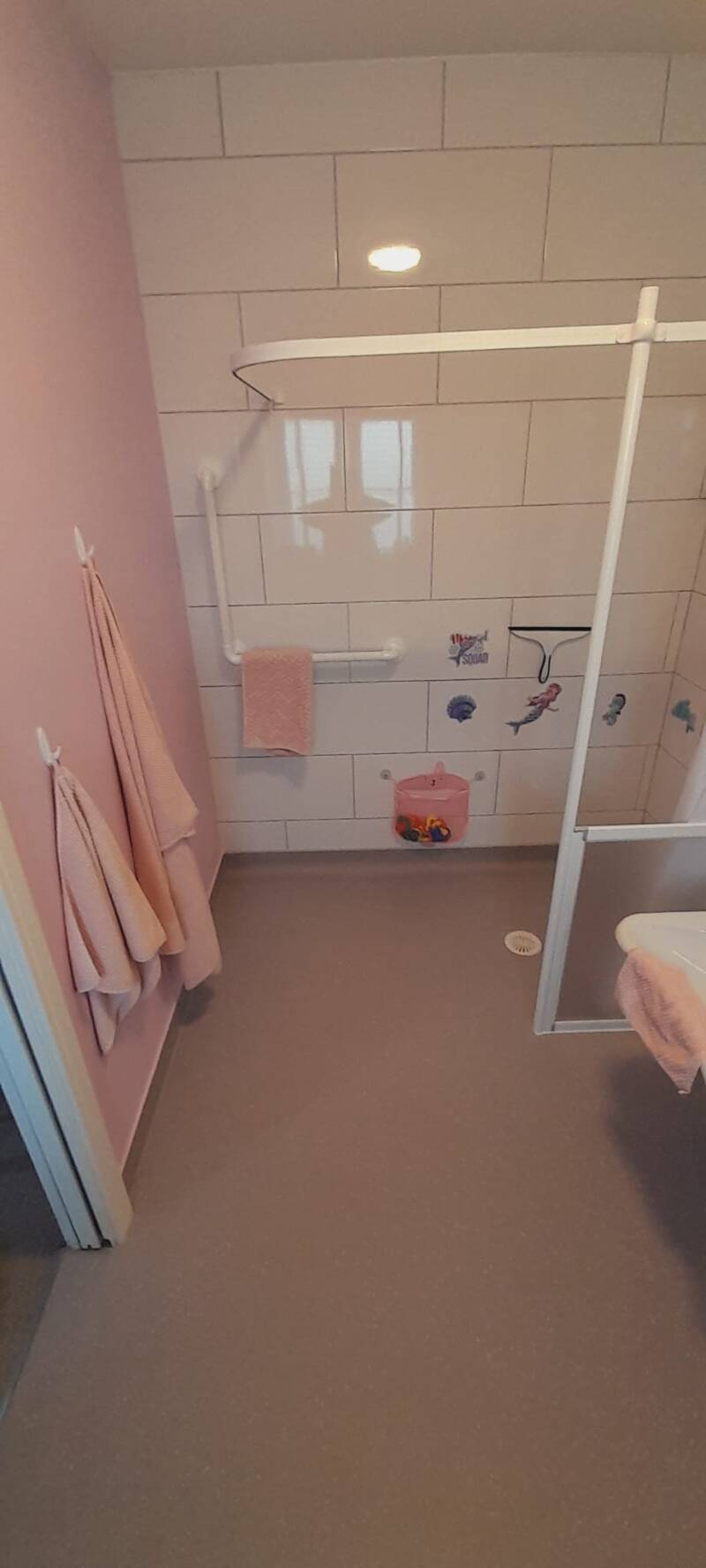
Personal hygiene access: Converting a downstairs study into a fully accessible wetroom so she can bathe and use the toilet without needing to navigate stairs.
-
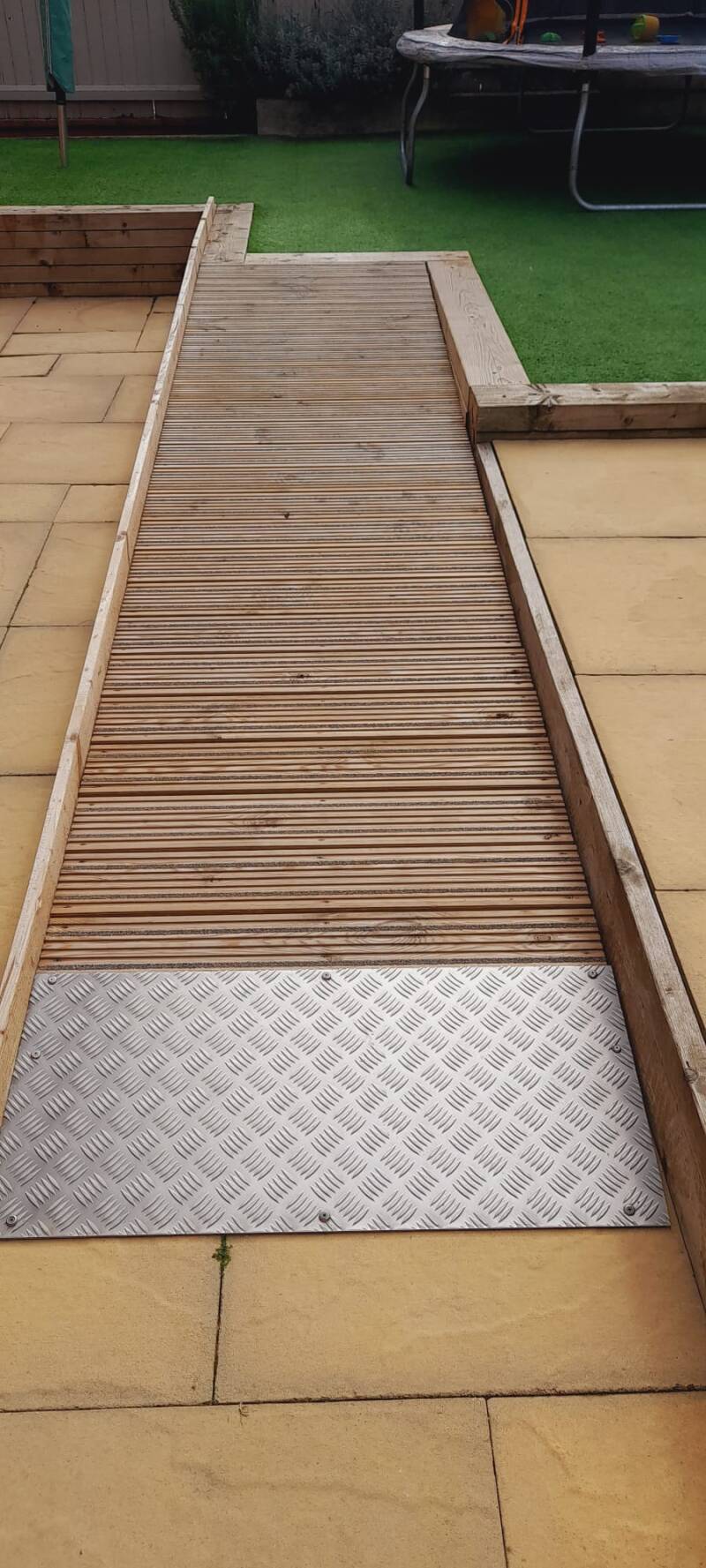
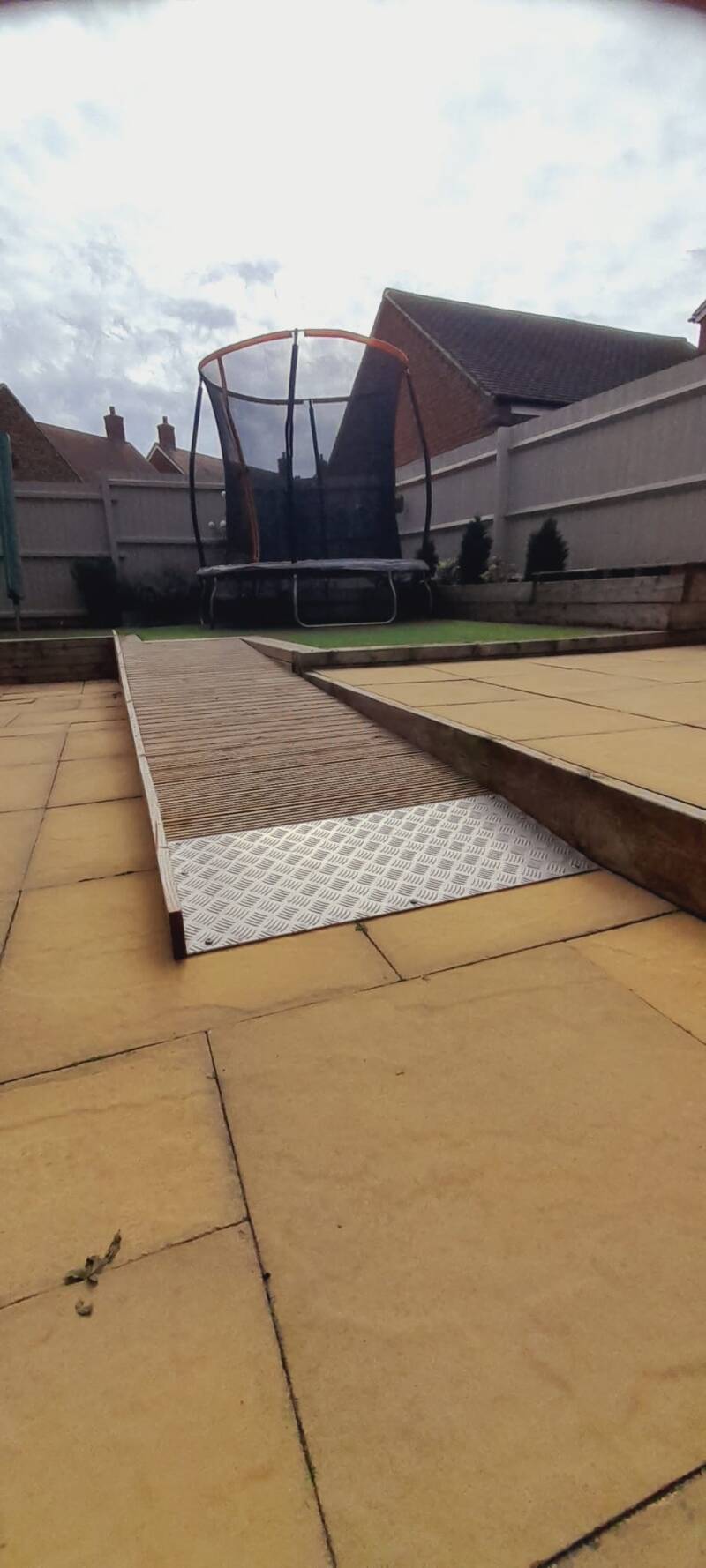
Mobility and outdoor access: Modifying the back garden with ramps and smooth pathways to allow safe wheelchair access to the outdoor space.
These changes, demonstrate how targeted home adaptations can significantly improve the quality of life and independence for individuals with physical disabilities.
Specifically this case shows:
-
Personalised Home Modifications
-
Improved Accessibility
-
Enhanced Independence
-
Future-Proofing the Home
-
Reduced Family Stress
______________________________________________
(1) Housing Grants and Assistance Policy 2024
INTRODUCTION
Living independently at home is a fundamental right—and for individuals with physical disabilities, it often requires thoughtful adaptations to make that possible. The long-term physical condition affecting her mobility, targeted home adaptations to support her daily life - from personal hygiene to outdoor access. The result is a home that not only meets the child current needs but also prepares for her future, fostering dignity, autonomy, and inclusion.
The project presented several key challenges:
Balancing Accessibility with Aesthetics
Supporting Sensory Sensitivities
Ensuring Long-Term Usability
SOLUTION
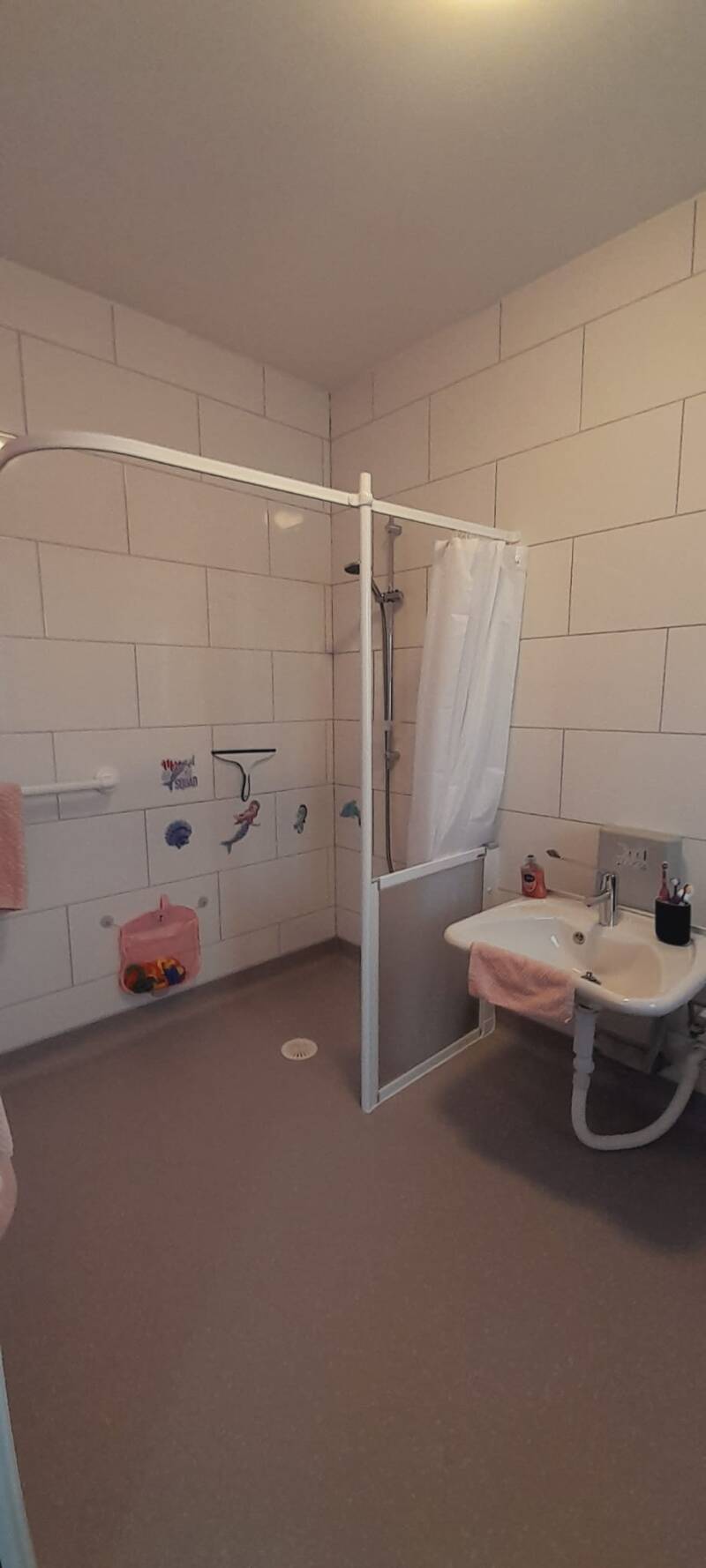
Transforming a ground floor home office into a fully adapted en-suite wetroom required balancing strict accessibility standards with the warmth and personality of a child’s living space. The goal was to create an environment that felt safe, functional, and emotionally supportive without appearing clinical or impersonal.
Every detail, from the texture of the flooring to the placement of fixtures was chosen to promote emotional wellbeing and reduce stress.
As the child grows, her needs will evolve. The layout and fixtures had to be future-proofed to support her increasing independence. Adjustable fittings, modular storage, and flexible space planning were key to ensuring the room remains relevant and empowering throughout her childhood and beyond.
Interior Adaptations Introduced:
-
Voice & Touch-Controlled Shower - allow control of water flow and temperature via voice or touch, fostering autonomy and reducing sensory stress.
-
Height-Adjustable Basin - grow with the child, supporting multi-user adaptability and encouraging independent use.
-
Discreet Support Features - grab rails and fixtures blend into the environment, preserving a homely aesthetic while offering essential support.
-
Sensory-Informed Planning - lighting, textures, and finishes were selected to minimize glare and overstimulation, promoting emotional wellbeing.
-
User-Centric Design - design decision was guided by the needs and preferences of the end user, representing a transformative step toward inclusive, sensory-conscious home design.
-
Simplified Layout - spatial arrangement was streamlined to reduce multitasking and make assistance easier, while promoting independence.
Drawing on experience from similar cases, we conducted in-depth research to understand daily routines, emotional needs, and practical challenges. We involved Occupational Therapists from the early design phases to ensure functional relevance.
Through meaningful family engagement, collaborative sessions helped shape the sensory and emotional tone of the space by exploring preferences around lighting, textures, and layout. Product testing allowed children to interact with key features and express preferences based on real-time comfort and usability. Visual examples were used to gather feedback in an accessible and engaging way, ensuring every voice was heard. Careful selection of the best builder to carry out the work, ensuring that the vision was executed with precision and care.
Through sensory-informed planning, adaptable fixtures, and seamless support features, (e.g. AKW SmartCare Plus electric shower, Armitage Shanks Care Plus Basin, rails and fold-up grab rails to support toilet were colour-matched and ergonomically placed to blend into the environment.
The colour palette and minimalist finishes - guided by family preferences - feature gentle pinks (walls and flooring), creating a soothing, nurturing atmosphere that evokes the comfort. Simple tiles and clean lines maintain visual clarity and calm, making the space feel open and elegant. These choices enhance emotional regulation and contribute to a tranquiller environment that supports overall wellbeing.
AUTHORED By Susana Silva BA(Hons)Arch, ARB, RIBA
Exterior Adaptations:
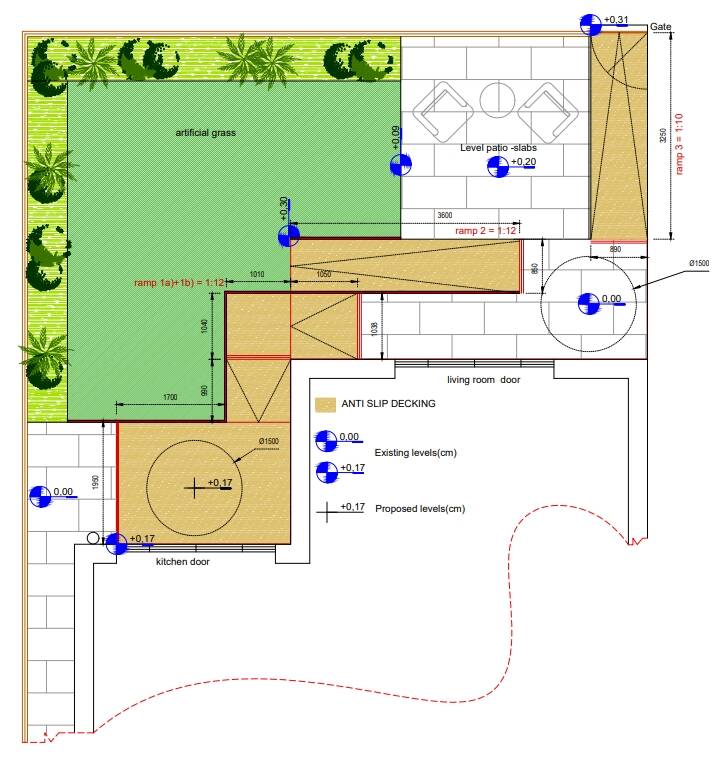
Creating an accessible outdoor environment was essential to extend independence beyond the home and support inclusive family life. The addition of garden ramps and level surfaces ensures safe, fluid movement, allowing the child to play more freely while remaining connected with loved ones. This thoughtful extension of accessibility beyond the wetroom reinforces the design’s commitment to empowerment, inclusion, and everyday joy.
Challenges:
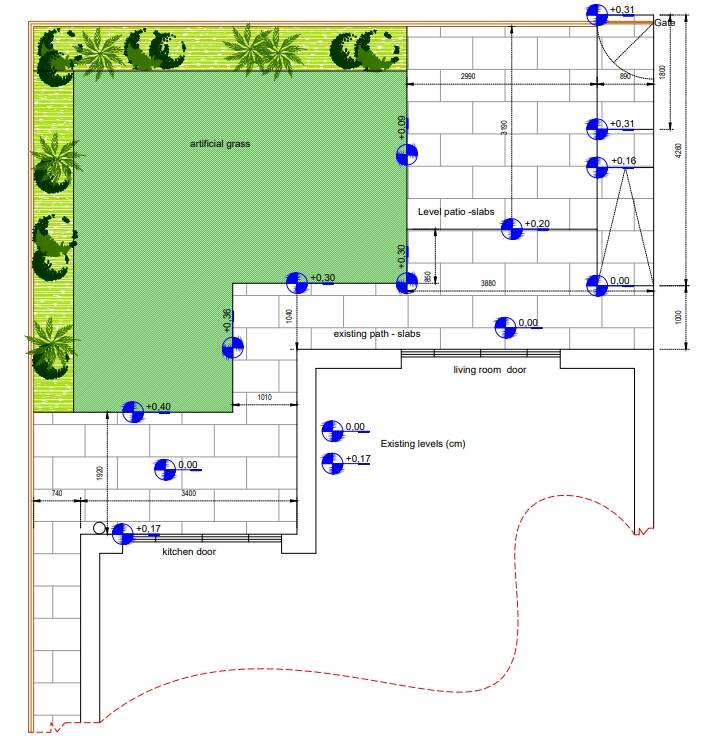
The original garden layout posed mobility challenges, with irregular surfaces and steps restricting independent movement. Without supportive features, navigating the garden posed a risk of falls and limited opportunities for safe play.
The outdoor adaptation needed to maintain a cohesive aesthetic and functional flow with the rest of the house, and needed to encourage both solo exploration and promote family outdoor experiences at same time.
Solutions Implemented:
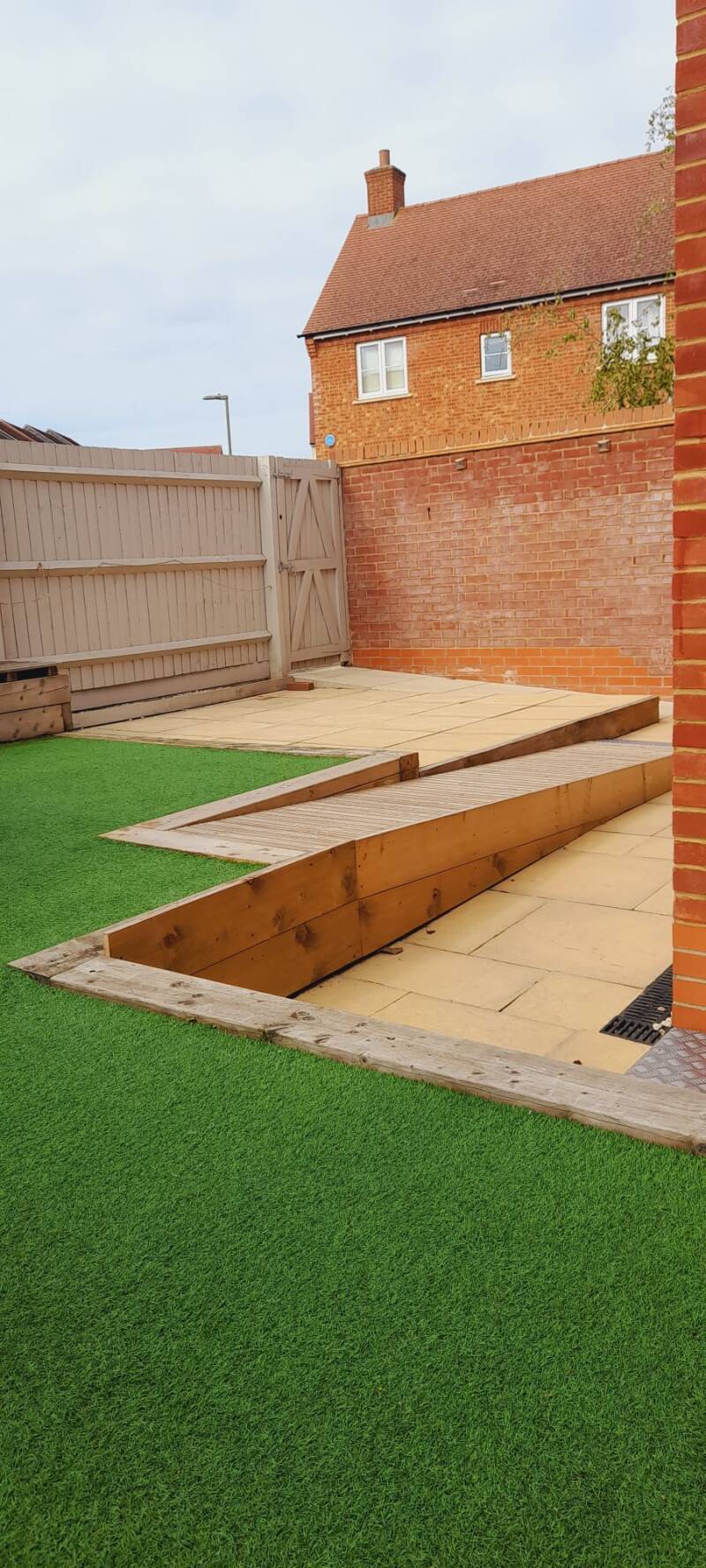
Gentle Gradient Ramps - Installed to replace steps to allow safe movement throughout the garden and patio. Their design supports wheelchair access and independent walking.
Non-Slip, Sensory-Friendly Surfaces - Chosen for both safety and comfort, the materials used reduce the risk of slipping while offering a tactile experience that supports sensory regulation.
Zoned Play and Rest Areas - Encouraging both solo exploration and social engagement.
Outcomes Achieved:
The exterior adaptations have transformed the garden into a safe, inclusive space that fosters independence, emotional wellbeing, and family connection. By replacing steps with gentle gradient ramps and installing non-slip, sensory-friendly surfaces, the child can now move freely and confidently outdoors without assistance. These changes significantly reduce the risk of falls and create a secure environment for play and relaxation. Thoughtfully zoned areas encourage both solo exploration and shared activities, allowing the child to engage with family members in a welcoming, accessible setting. The seamless integration of functionality ensures the garden remains a joyful extension of the home.
AUTHORED By Susana Silva BA(Hons)Arch, ARB, RIBA
OUTCOME:
This project exemplifies a commitment to designing spaces that are not only accessible, but also beautiful, personal, and deeply supportive. Through sensory-informed planning, adaptable fixtures, and seamless support features, the home now promotes long-term usability, emotional wellbeing, and everyday joy.
The result of this design approach is a fully integrated, inclusive en-suite adaptation that supports the child’s growth, independence, and privacy. By creating a space that evolves with her needs, we’ve ensured that the en-suite remains a personal sanctuary - one she can use confidently and independently for years to come. The garden adaptation further extends this independence outdoors, allowing her to move freely and safely while playing alone or with family. Together, these spaces form an environment that nurtures autonomy, emotional wellbeing, and joyful living.
Impact:
Positive Family Response, they have expressed high satisfaction with the changes. The space feels empowering, safe, and tailored to the child’s needs.
Increased Independence, the child is now confidently managing daily tasks on her own, including using the basin and transitioning to the toilet independently - key milestones in her personal development.
Emotional Connection, the child loves the new space - especially the Height-Adjustable Basin (Armitage Shanks Care Plus Basin), which has become one of the favourite features. The colour scheme - guided by family preferences, match her bedroom, creating a seamless visual flow that she finds comforting and familiar.
Improvements:
Functional Independence: Improvement in ability to transition independently within the space.
Sensory and Emotional Wellbeing: The design has positively impacted the sense of ownership and emotional regulation, making the space feel truly hers.
Outdoor Freedom: The garden adaptation has enhanced her confidence and autonomy, allowing her to enjoy safe, independent play in an inclusive outdoor setting.
AUTHORED By Susana Silva BA(Hons)Arch, ARB, RIBA
Lessons Learned:
These lessons directly contributed to the success of the project by creating a space that the end user genuinely loves; supporting independence in daily routines, both indoors and outdoors; delivering a design that meets practical needs; building trust and satisfaction among the family, who feel heard, supported, and empowered.
- User-Centered Design
Is Essential Engaging directly with users, families, and professionals revealed insights that could never be captured through standard design assumptions. Listening to lived experiences shaped every decision (from layout to lighting).
- Sensory-Informed Planning Enhances Wellbeing
Designing with sensory sensitivity in mind - considering light, texture, sound, and colour proved is critical in creating a space that feels safe, calming, and emotionally supportive.
- Adaptability Drives Long-Term Success
Fixtures like adjustable basin and voice-activated shower demonstrated the value of flexible design that evolves with the user, ensuring continued relevance and usability.
- Collaboration Strengthens Outcomes
Involving occupational therapists, families, and builders from the outset ensured that the design was not only functional but also beautifully executed and emotionally resonant.
Design Success Recommendations:
- Start with Empathy - Begin every project by understanding the emotional and practical needs of the end users.
- Include Multidisciplinary Voices - Collaborate with therapists, caregivers, and builders early to ensure holistic design thinking.
- Design for Growth - Choose fixtures and layouts that can adapt over time, supporting users through different age, life stages.
- Prioritize Sensory Comfort - Create a spa-like atmosphere that supports emotional regulation, reduce anxiety and enhance wellbeing. Reduce glare and maintain visual clarity, contributing to a calm and elegant space.
- Test and Iterate - Let users interact with prototypes or visual examples to refine design choices based on real feedback.
Add comment
Comments