The Autism Act 2009 places a legal duty on the UK government to develop and regularly review a national autism strategy.
The Think Autism governance refresh published in 2018 reorganised the original nineteen strategic objectives into five key domains.
Domain 5, ‘Participation in Local Community’: This domain highlights the importance of access to appropriate accommodation options. For many young people with autism, this often means continuing to live in the family home, with tailored support to foster independent living—when that model best suits their needs.
Children with Autism Spectrum Disorder (ASD) and Learning Disabilities often face challenges with:
-
Sensory processing: Difficulty interpreting sights, sounds, smells, textures, and other sensory input
-
Communication and social interaction: Struggles in developing verbal and non-verbal communication skills
-
Behavioural responses: May exhibit challenging behaviours due to unmet needs or sensory overload
These challenges can lead to confusion, anxiety, and withdrawal, especially in environments that are not adapted to their sensory and emotional needs.
This case study explores how a Disabled Facilities Grant (DFG) was awarded to support a young person with ASD and learning disabilities, by adapting their home environment to minimise sensory overload, create a calming, structured space, to support emotional regulation and independence and to reduce behavioural challenges through environmental design.
The adaptation was a key part of a preventative and person-centred strategy, ensuring the child could remain safely and comfortably in the family home while receiving the support they need.
INTRODUCTION
E., a 13-year-old boy with Autism Spectrum Disorder (ASD) and learning disabilities, lives with his parents—his primary carers. As he transitions into adolescence and approaches adulthood, his needs have evolved, presenting new challenges for the family, particularly around personal care routines.
E. attends college and requires support in all areas of daily living and self-care. He experiences significant sensory sensitivities and is unaware of danger, which makes navigating everyday environments—especially the bathroom—stressful and overwhelming.
The family sought support through a Disabled Facilities Grant (DFG) to adapt their bathroom Family Bathroom into a space that would be safe, calming, and functional for E., while also promoting independence and reducing stress during personal care activities.
E.’s mother reported increasing difficulty in guiding him through bathing routines. The bathroom environment triggered sensory overload, leading to distress and refusal to enter the space. As E. grew older, these challenges became more pronounced, raising concerns about setbacks in his development and independence.
A Children’s Occupational Therapist recommended installing a wash/dry toilet to support long-term independence and hygiene as E. transitions into adulthood.
SOLUTION
Using a Design Thinking approach, we reimagined the family bathroom to enhance usability and comfort. This involved:
-
Empathizing with E.’s sensory and behavioural needs
-
Understanding the sequence, priority, and frequency (use) of bathroom activities
-
Designing a layout that supports routine, predictability, and ease of use
Basically, following the sequence - priority and frequency the Key Adaptations are:
-
New Bathroom Layout
-
Optimized space for intuitive flow: toilet and basin visible upon entry, shower positioned for privacy and reduced sensory impact
-
Prioritized high-frequency activities (toileting, handwashing) in accessible areas
-
-
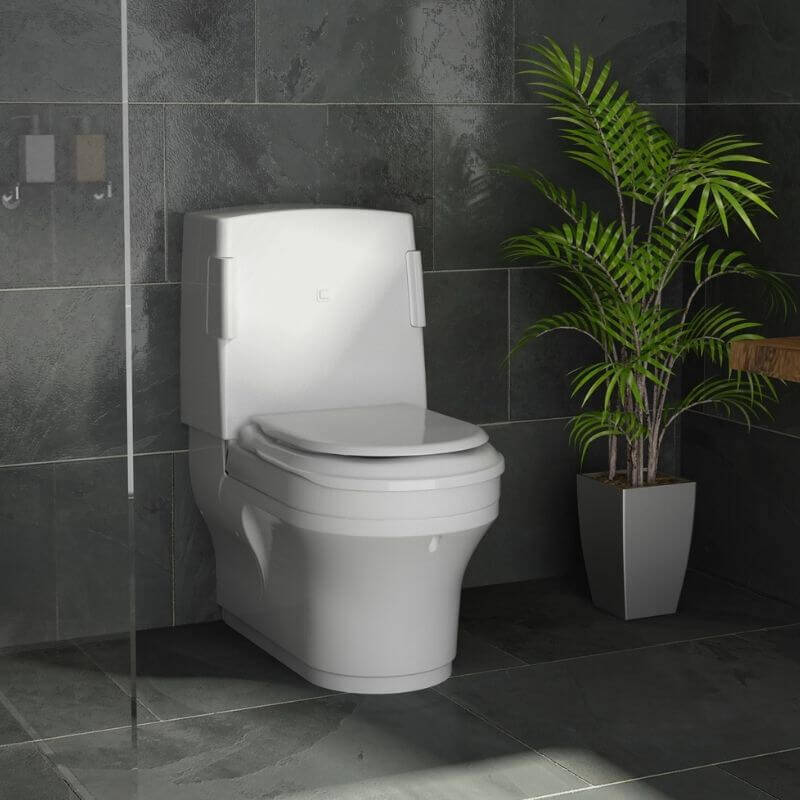
Convert the standard toilet with an Automatic Wash and Dry Toilet
-
Promotes hygiene and independence with minimal manual effort
-
More about the toilet ( https://www.closomat.co.uk/our-toilets/palma-vita/ )
-
-
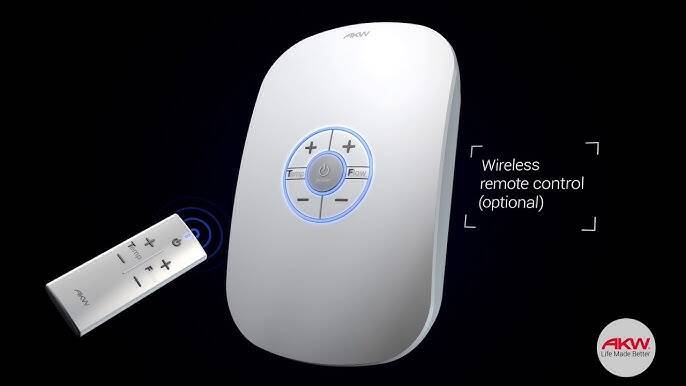
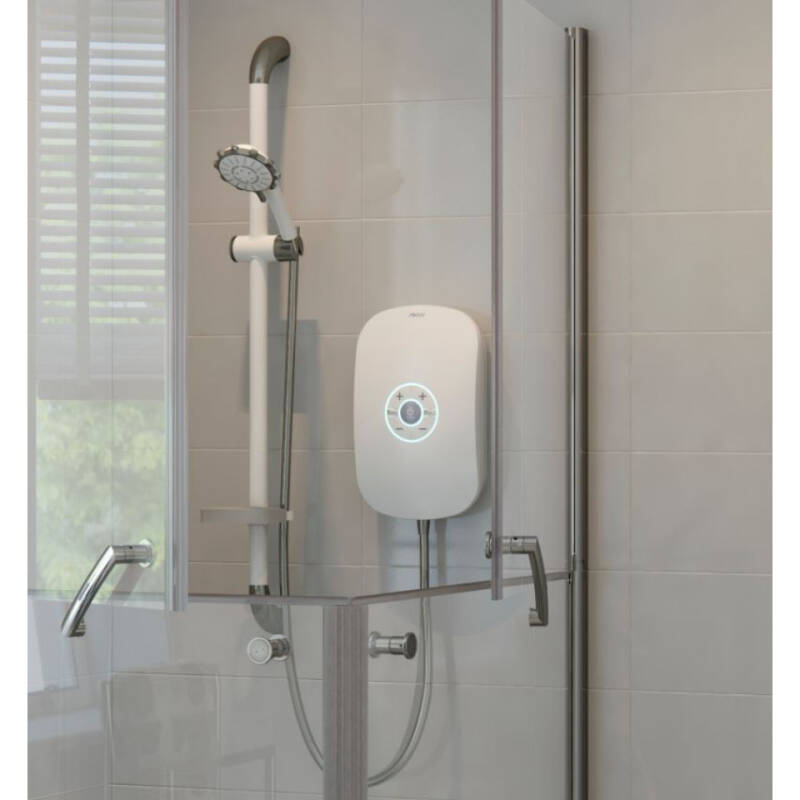
Convert manual shower controls with an Electric Shower with Voice and Touch Controls
-
Allows E. to set water temperature, pressure, and limits
-
Reduces tactile discomfort and supports motor skill differences
- More about the shower ( https://www.akw-ltd.co.uk/products/smartcare-plus-electric-shower/)
-
-
introduced additional interior design guidance based on Autism-Friendly Colour Scheme
-
Applied design guidance from the Guide to Friendly Colours for Autism
-
Created a calming, non-overstimulating environment
-
CONCLUSION
This adaptation empowered E. and his family by transforming a stressful environment into a safe, functional, and sensory-friendly space. The DFG was used effectively to support both immediate needs and long-term independence, aligning with the goals of the Autism Strategy under Domain 5: Participation in the Local Community.
By applying design thinking, collaborating with professionals, and involving the family in every step, we created a solution that not only meets E.’s current needs but also supports his journey into adulthood with confidence, dignity, and autonomy.
WHY IT MATTERS TO (ASD) ?
1 - Impact of the Wash/Dry Toilet Key Benefits
The automatic wash and dry toilet offered a range of benefits specifically tailored to E.’s sensory, physical, and emotional needs. Its introduction significantly enhanced E.’s independence, comfort, and dignity in daily routines. Her's the list of the benefits:
a) Predictability & Routine: Clear steps reduce anxiety and support emotional regulation
Why it matters: Many autistic children thrive with routines; knowing what will happen and in what order supports emotional regulation.
b) Motor Skill Support: Eliminates the need for manual wiping
Why it matters: Fine motor control needed for wiping is difficult for some autistic children; automatic washing and drying simplifies the process.
c) Sensory Comfort: Warm water and gentle air drying reduce tactile discomfort
Why it matters: Children with tactile sensitivities a warm water spray and gentle air dryer can feel less intrusive.
d) Improved Hygiene: Ensures consistent cleanliness, reducing accidents
Why it matters: Children with limited sensory awareness may not know they’re not fully clean, Automation ensures consistency.
e) Independence: Allows E. to manage toileting with minimal adult assistance
Why it matters: Encourages privacy, autonomy, and reduces dependency on caregivers for personal hygiene tasks.
f) Reduced Cognitive Load: Simplifies the process to a single button press
Why it matters: Reduces cognitive load and sensory stress by eliminating steps like wiping, reaching, and handling paper.
g) Customizable Settings: Tailored water pressure, temperature and dryer settings can be adjusted prevent overstimulation
Why it matters: Helps desensitize gradually or tailor the experience to avoid overstimulation or startle responses.

2 - Thermostatic Electric Shower and the Key Benefits for Autistic Children
Specifically the AKW SmartCare Plus electric shower, equipped with voice and touch controls, offers a transformative solution for children with Autism Spectrum Disorder (ASD) and motor skill differences. By integrating intuitive technology, this shower system helps create a predictable, sensory-friendly, and empowering bathing experience. This shower is more than a bathroom upgrade—it’s a tool for empowerment, independence, and sensory wellbeing.
By adapting the bathing experience to meet the unique needs of autistic children, it contributes to a safer, more comfortable, and emotionally supportive home environment. Here's how it can specifically help:
a) Sensory Sensitivity Support (Tailored to Individual Needs)
Many autistic children have heightened sensitivities to temperature, sound, and tactile sensations, or even the feel of water on their skin.
-
Voice and touch controls allow precise adjustments to water temperature, pressure, and duration.
-
No need to interact with knobs or switches that may feel uncomfortable or unpredictable.
Why it matters: Small, controlled changes make the experience more tolerable and reduce sensory overload.
b) Reduces Anxiety and Increases Predictability
-
Pre-set preferences eliminate the stress of trial-and-error adjustments.
-
Voice-activated start/stop gives the child control over the process.
Why it matters: Predictable routines help autistic children feel safe and reduce anxiety related to unexpected sensations, water pressure changes, or a struggle to manage manual knobs.
c) Promotes Independence (Motor Skill Support)
-
Children with motor difficulties often struggle with manual controls.
-
Voice or touch activation simplifies the process.
Why it matters: Enables children to manage their hygiene with minimal assistance, fostering autonomy and confidence. Helps their independency as they don’t need to physically manage shower controls, allowing them to start and finish the shower with greater ease.
d) Comfort with Water Temperature and Pressure Adjustments
-
Autistic children may have a narrow comfort range for water sensations.
-
Precise control prevents sudden discomfort from water that’s too hot or cold.
Why it matters: Tailored settings (e.g., via voice or touch) reduce distress (e.g. too hot or too cold) and make showering a more positive experience.
e) Decreases Overstimulation from Noise and Visuals
-
Traditional showers can be noisy and visually overwhelming for autistic children.
-
Electric showers like the SmartCare Plus run more quietly and smoothly.
Why it matters: Lower sensory input helps prevent overstimulation and supports emotional regulation.
f) Reinforces Communication and Self-Advocacy
-
Children can use voice commands to express needs (e.g., “cooler water,” “stop shower”).
-
Encourages verbal interaction and decision-making.
Why it matters: Supports development of communication skills and empowers children to advocate for their comfort. Many children with autism find it difficult to communicate their needs in the moment. Voice control offers them an easy way to express their desires without needing to remember complex commands or manual adjustments.

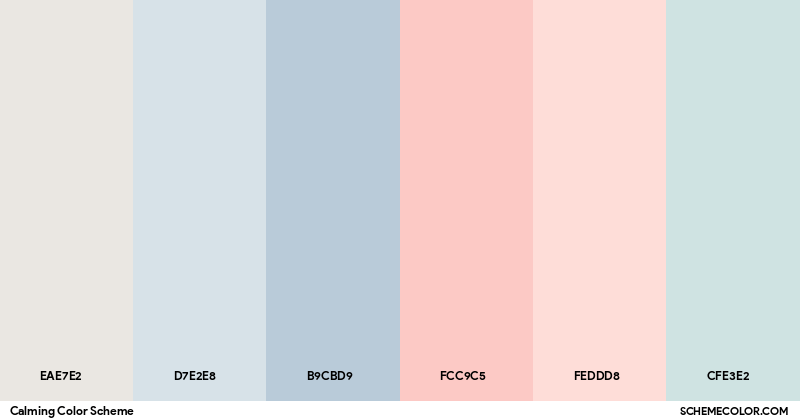
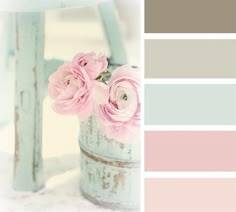
3 - Guide to Friendly Colours for users with autism to ensure the autism friendly colours.
Using a Guide to Friendly Colours is an invaluable tool for supporting children with autism, particularly when addressing sensory sensitivities. Certain colours and combinations can either soothe or overstimulate their sensory processing systems. The goal is to create environments, tools, and visuals that are calming, supportive, and free from overwhelming stimuli.
By applying autism-friendly colour principles throughout every room in the house, families can foster a more comfortable and emotionally balanced living space.
Learn more: ( https://www.senteq.co.uk/the-importance-of-colour-in-sensory-rooms/ )
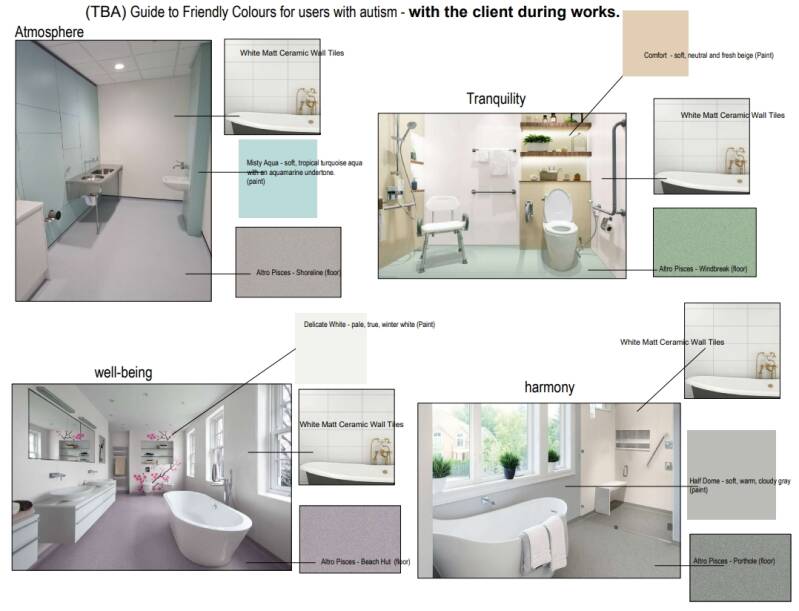
Understanding and applying autism-friendly colours throughout the home can significantly improve comfort, emotional regulation, and sensory wellbeing. Here's how:
a) Reduces Overstimulation and Anxiety
Why it matters: Bright, bold, or highly contrasting colours can trigger sensory overload, leading to anxiety or agitation.
How it helps: Gentle hues like light blue, soft green, or lavender help create a soothing environment that reduces visual stress and promotes calm.
b) Minimizes Distractions and Sensory Overload
Why it matters: Clashing colours (e.g., red vs. green, yellow vs. purple) can create visual chaos, overwhelming children sensitive to visual input may struggle with environments that are too visually busy.
How it helps: A neutral or monochromatic palette fosters predictability and order, helping children focus and feel secure. It minimizes distractions and reduces the risk of the child becoming overwhelmed by sensory overload.
c) Encourages Emotional Regulation and Comfort
Why it matters: Autistic children may experience heightened emotional responses or struggle with their emotions regulation.
How it helps: Colours influence mood—cool tones like blue and green are calming, while warm tones like yellow evoke happiness.
Specific colours are known to have psychological effects that influence mood and emotional states. (e.g.) A blue bedroom or green calming corner can serve as a sanctuary from external stressors.
d) Supports Personal Preference and Empowerment
Why it matters: Allowing children to choose colours for their space fosters autonomy and emotional connection. This will improve their sense of control and well-being. It also gives them the chance to feel more comfortable with their surroundings.
How it helps: If a child prefers blue or green, incorporating those colours can enhance comfort and self-regulation leading to a more positive emotional connection with the space. Familiar or favourite colours can act as emotional anchors, promoting a sense of control and wellbeing.
e) Enhances Social Communication and Interaction
Why it matters: Colour can subtly influence mood and behaviour in social settings.
How it helps: Warm tones like soft yellow or peach can create welcoming spaces that encourage interaction. If a child associates a certain colour with comfort or a positive outcome, this can help them feel more at ease in social situations. (e.g.) A blue social area or light green seating may help children feel more relaxed during peer or family engagement.
- Recommended Colours and Their Effects
By thoughtfully integrating these colours into every room, families can create a home that supports sensory needs, emotional wellbeing, and personal growth for autistic children.
- Pale blue or mint green has been shown to have a calming effect and may help improve focus and relaxation. And are known to enhance focus without causing stress.
- Neutral tones like beige, white, or soft greys can provide a neutral background that doesn’t distract or overwhelm.
- Earth tones like soft browns and sandy colours can also promote concentration without causing too much visual stimulation.
- Soft pinks and peachy tones are also known to have a gentle, nurturing effect on mood.
- Lavender has been linked to promoting relaxation, making it ideal for spaces where the child might need to calm down.
- Soft yellow or peach could create a friendly, welcoming space for socialization.


AUTHORED By Susana Silva BA(Hons)Arch, ARB, RIBA
Create Your Own Website With Webador